How to Travel to Bhutan From Singapore
How to Travel to Bhutan From Singapore
Travelling from Singapore to Bhutan is an extraordinary opportunity to explore one of the world’s most serene and culturally rich destinations. Known as the “Land of the Thunder Dragon,” Bhutan is celebrated for its towering Himalayan peaks, ancient monasteries, and vibrant festivals that showcase its unique traditions. Due to its carefully managed tourism model, the country limits visitor numbers to ensure that travellers experience authentic culture while preserving the environment.
For those planning a trip from Singapore, understanding the best time to visit Bhutan is essential. Spring (March–May) offers blooming rhododendrons, clear skies, and ideal trekking conditions, while autumn (September–November) combines pleasant weather with colourful festivals and cultural immersion. Winter and monsoon seasons are less popular but can provide quieter, more intimate experiences.
Planning ahead with a licensed Bhutanese tour operator ensures smooth arrangements for flights, visas, accommodation, and guided tours, making your journey from Singapore to Bhutan seamless, enriching, and unforgettable.
Table Of Content
Understanding Bhutan’s Tourism Model
Bhutan operates under a “High Value, Low Impact” tourism strategy, designed to preserve its unique culture, environment, and natural beauty. Rather than encouraging mass tourism, the country limits visitor numbers to ensure that travel experiences remain authentic and meaningful. Independent travel is not allowed, and all tourists must book their trips through licensed Bhutanese tour operators. These operators manage all aspects of the journey, including flights, accommodation, guides, and itineraries. This approach guarantees that visitors enjoy a hassle-free experience while contributing positively to Bhutan’s economy and sustainable tourism goals. For Singaporean travellers, understanding this model is key, as it shapes how trips are planned, the cost structure, and the overall travel experience.
The Best Time to Visit Bhutan
The ideal time to visit Bhutan largely depends on a traveller’s interests, whether that’s trekking, sightseeing, or experiencing cultural festivals.
Spring (March–May) is one of the most popular seasons, as valleys burst into colour with blooming rhododendrons, offering spectacular photography opportunities. The weather is mild, with clear skies that provide unobstructed panoramic views of the Himalayan peaks. This season is ideal for trekking, nature walks, and exploring outdoor landmarks.
Autumn (September–November) is considered the best time for cultural immersion. The skies are clear, temperatures are moderate, and numerous festivals such as Tshechus take place across the country. This season combines pleasant weather with rich cultural experiences, making it particularly appealing for first-time visitors.
Winter (December–February) brings cooler temperatures and fewer tourists, making it perfect for travellers seeking tranquillity. Snow-capped mountains, crisp air, and serene valleys create breathtaking winter landscapes, though some high-altitude treks may be limited.
During the monsoon season (June–August), heavy rainfall nourishes lush green landscapes but can make trekking and travel challenging. Visitor numbers are lower, offering a quieter, more intimate experience for those willing to brave the rains.
For Singaporean travellers, spring and autumn are generally recommended to enjoy a balance of favourable weather, accessible trekking, and vibrant cultural experiences.
Flights from Singapore to Bhutan
There are no direct flights from Singapore to Bhutan, so most travellers need to connect through regional hubs such as Bangkok, Kolkata, or Delhi. From these cities, Bhutan’s national carriers Druk Air and Bhutan Airlines operate flights to Paro International Airport, the country’s only international airport. Due to Bhutan’s mountainous terrain and limited flight schedules, careful planning is essential to ensure smooth connections and avoid disruptions.
Booking flights well in advance, ideally through a licensed Bhutanese tour operator, can significantly simplify travel arrangements. Tour operators handle coordinating connecting flights, transfers, and in-country transport, ensuring that travellers arrive on time and with minimal stress. They also provide guidance on optimal flight routes, best times to travel, and potential weather-related delays, which can be common in the Himalayas.
Using a tour operator not only ensures better availability and smoother logistics but also integrates flights seamlessly into the overall Bhutan itinerary, including transfers to hotels, guided tours, and trekking excursions. This approach allows travellers from Singapore to focus on enjoying the journey rather than worrying about complex travel arrangements.
Visa and Entry Requirements
All visitors from Singapore are required to obtain a Bhutanese visa, which cannot be secured independently. The visa process is handled exclusively through licensed Bhutanese tour operators, and it is typically included in the tour package, simplifying travel planning. This ensures that all entry requirements are met in accordance with Bhutan’s strict tourism regulations.
Travellers’ passports must be valid for at least six months from the date of entry, and it is essential to check this well in advance to avoid any last-minute issues. The visa, along with the tour package, guarantees access to Bhutan while complying with the country’s “High Value, Low Impact” tourism policy, which prioritises sustainable and culturally respectful travel.
This policy includes adherence to the minimum daily tariff, covering accommodation, meals, guide services, and in-country transport. Additional expenses, such as optional excursions, festival participation, or personal purchases, are separate. Working with a licensed tour operator ensures that travellers from Singapore can navigate these requirements smoothly, making their journey safe, hassle-free, and fully compliant with Bhutanese regulations.
Selecting a Bhutan Tour Operator
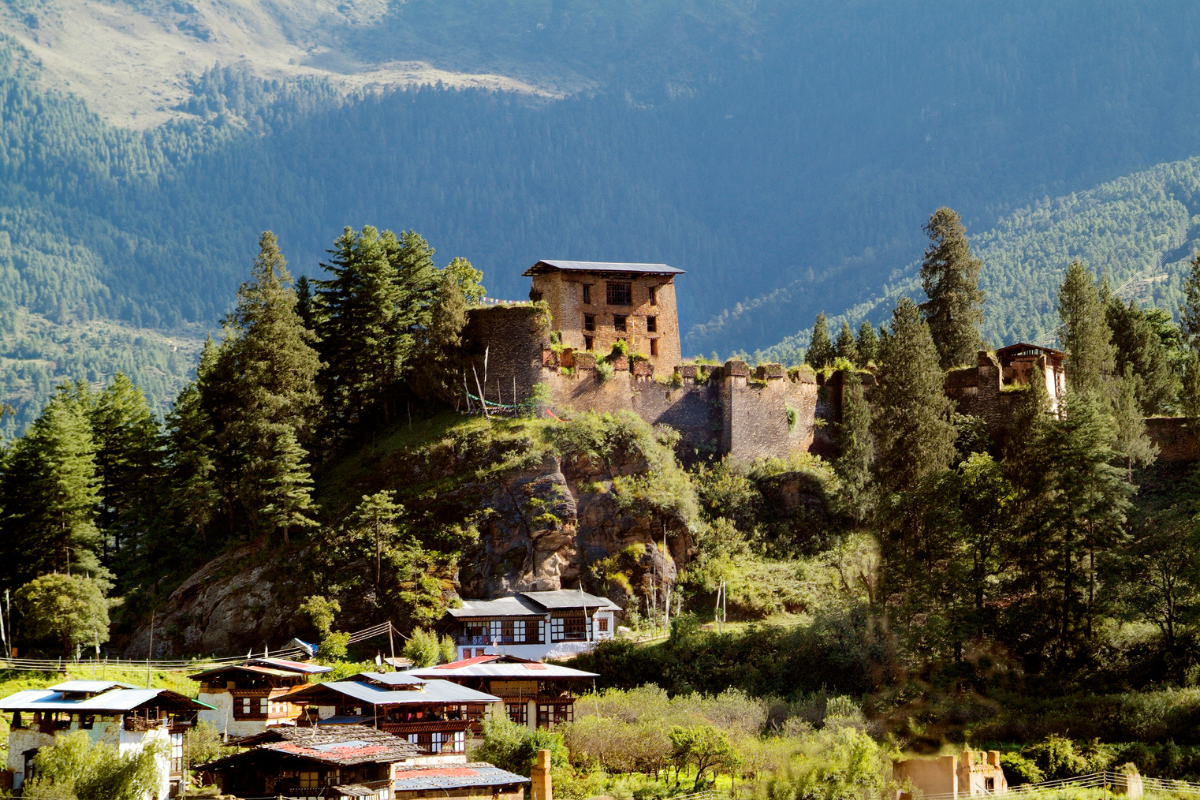
A licensed Bhutan tour operator is crucial for ensuring a smooth, safe, and enjoyable journey through the country. Bhutan’s tourism is strictly regulated, and independent travel is not permitted, making the role of a certified operator indispensable for both logistics and cultural guidance. Their services typically cover booking flights and arranging airport transfers, which is particularly helpful given the limited flight options into Paro International Airport and the mountainous terrain that can affect schedules.
Tour operators also arrange accommodation and meals, often selecting culturally authentic lodges, hotels, and resorts that provide comfort while offering insight into Bhutanese traditions and hospitality. They provide certified guides and reliable transport throughout the country, ensuring travellers can explore remote valleys, monasteries, and festival sites safely and efficiently.
One of the most valuable services is the creation of customised itineraries tailored to the season, local events, and travellers’ interests. Whether it’s attending a traditional festival, trekking scenic trails, or visiting lesser-known cultural sites, operators ensure every experience is seamless and enriching.
Choosing a reputable tour operator guarantees compliance with Bhutanese regulations, access to local expertise, and a well-organised trip that balances convenience, cultural immersion, and meaningful engagement with the country’s unique heritage.
Recommended Itineraries
Singaporean travellers to Bhutan often focus on a selection of key destinations, each offering unique cultural, historical, and natural experiences. Paro is perhaps the most iconic, home to the world-renowned Tiger’s Nest Monastery, perched dramatically on a cliffside. The town also features Paro Dzong, a majestic fortress-monastery, and bustling traditional markets where visitors can explore local handicrafts and Bhutanese delicacies.
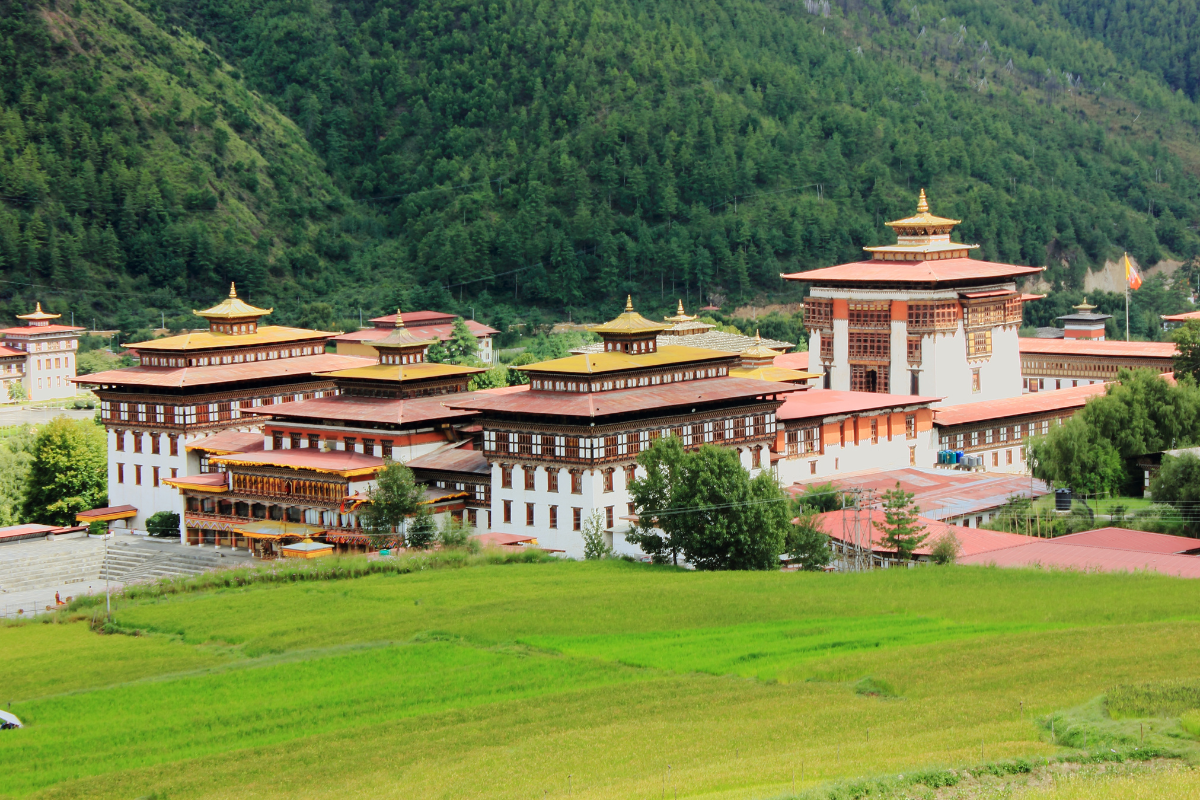
Thimphu, the capital city, presents a harmonious blend of tradition and modernity. Cultural landmarks such as Tashichho Dzong, the seat of the government and monastic centre, and the giant Buddha Dordenma statue offer insight into Bhutanese spirituality. The city is also known for its vibrant handicraft markets, where travellers can purchase textiles, paintings, and artisanal products directly from local artisans.
Punakha, often regarded as one of Bhutan’s most picturesque regions, is celebrated for its scenic valleys and the historic Punakha Dzong, a stunning fortress situated at the confluence of two rivers. Spring is an especially beautiful time to visit, as rice terraces turn vibrant green and flowers bloom across the valleys.
Depending on the season, travellers can also attend traditional festivals, embark on guided treks, or explore lesser-known valleys for a more intimate and authentic Bhutanese experience. Each destination provides a unique perspective on Bhutan’s culture, landscapes, and traditions.
Bhutanese Culture and Travel Etiquette
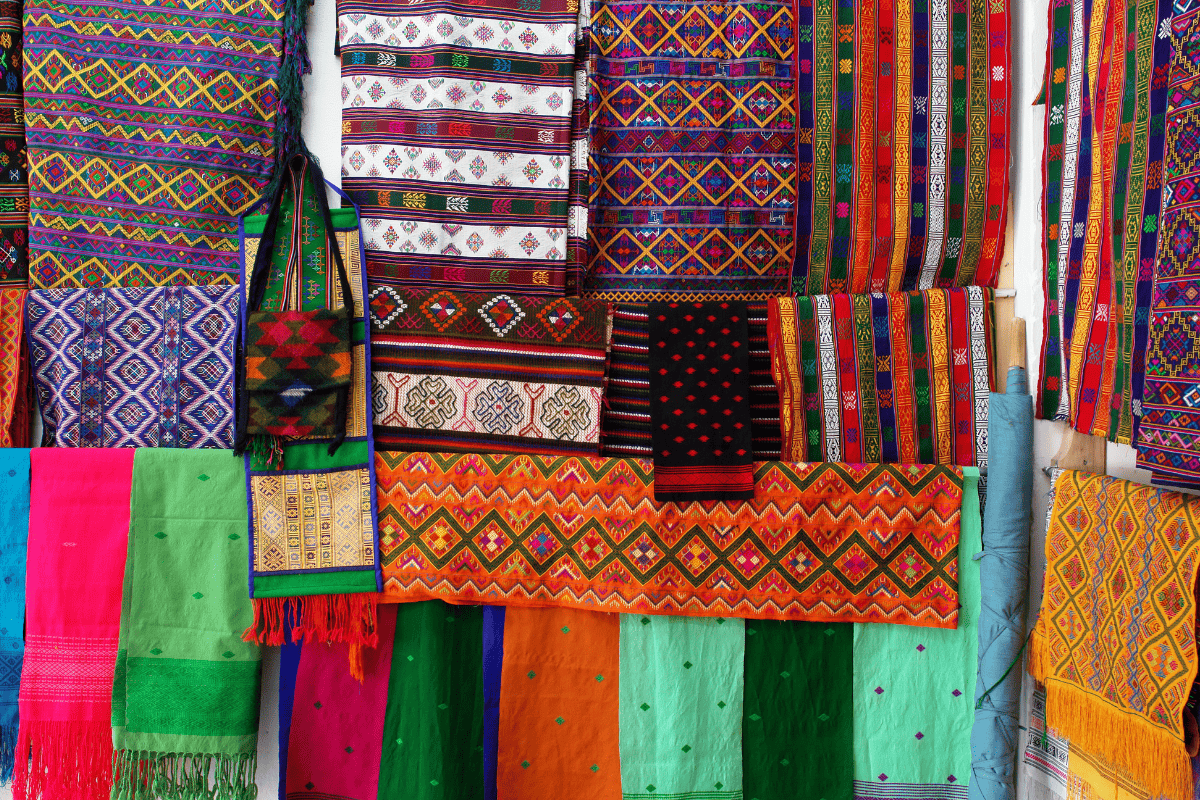
Bhutanese society is deeply rooted in Buddhist traditions, and visitors are expected to show respect for local customs and practices. When visiting monasteries, dzongs, or other religious sites, it is important to dress modestly, covering shoulders and knees, as a sign of reverence. Photography should be approached thoughtfully always ask for permission before taking pictures of locals, especially monks or individuals participating in religious ceremonies, to avoid causing offence.
During festivals and cultural events, visitors should observe rituals quietly and respectfully, refraining from loud conversations or disruptive behaviour. Following these etiquette guidelines not only demonstrates respect but also allows travellers to gain a deeper appreciation of Bhutanese spiritual practices and cultural heritage.
By understanding and embracing Bhutan’s cultural norms, travellers can foster positive interactions with local communities, enhance their own experience, and engage more meaningfully with the country’s rich traditions, creating memories that are both respectful and unforgettable.
Accommodation Options in Bhutan
Accommodation in Bhutan offers a wide range of options to suit different preferences and budgets, from luxury resorts and boutique hotels to eco-lodges and guesthouses tucked away in serene valleys. Many Bhutan tour packages include lodging that is not only comfortable but also culturally authentic, allowing travellers to immerse themselves in the country’s unique traditions and way of life. Staying in a traditional-style hotel or lodge provides a deeper connection to Bhutanese culture, with opportunities to experience local architecture, interior design, and decor that reflect centuries-old craftsmanship.
Guests may also enjoy traditional Bhutanese cuisine prepared with locally sourced ingredients, enhancing the culinary aspect of their stay. Beyond comfort, these accommodations often offer panoramic views of the Himalayas, peaceful surroundings, and attentive hospitality, ensuring a memorable and enriching travel experience. Choosing culturally immersive lodging is a vital part of enjoying the full charm and authenticity of Bhutan.
Budgeting Your Trip
Bhutan implements a minimum daily tariff for tourists, a policy designed to support sustainable tourism while preserving the country’s cultural heritage and natural environment. This daily fee typically includes essential travel services such as accommodation, meals, guide services, and transport within the country, ensuring that visitors enjoy a well-organised and comfortable experience without worrying about logistical details.
The minimum daily tariff also guarantees that the income generated from tourism contributes directly to Bhutan’s economy, local communities, and conservation efforts. While the core expenses are covered, travellers should be aware that additional costs may arise, including personal purchases, optional excursions, participation in local festivals, or souvenirs.
Working with a licensed Bhutanese tour operator makes budgeting much easier, as they provide a clear breakdown of what is included in the package and what extra costs may be expected. This transparency allows travellers from Singapore and other countries to plan their trip effectively, avoid unexpected expenses, and enjoy a smooth, hassle-free journey through Bhutan’s stunning landscapes, rich cultural sites, and vibrant traditions.
Travel Tips for Singaporean Visitors
For Singaporean travellers heading to Bhutan, careful planning is key to ensuring a smooth and memorable journey. Booking flights and tour packages well in advance is essential, particularly during peak seasons such as spring and autumn when the weather is ideal, landscapes are vibrant, and major festivals take place. Early booking guarantees availability for flights, accommodation, and guided tours, and allows travellers to secure preferred itineraries without stress.
Bhutan’s weather can be highly variable, with temperatures changing quickly between valleys and mountain regions. Packing for varying climates is crucial: layers of warm clothing, rainproof jackets, and sturdy shoes for trekking or walking on uneven terrain are recommended. Being well-prepared ensures comfort and safety throughout your trip, whether exploring monasteries, hiking scenic trails, or attending outdoor festivals.
Understanding Bhutanese etiquette adds depth to your travel experience. Modest dressing in religious sites, seeking permission before photographing locals, and observing rituals respectfully during ceremonies are all appreciated and help travellers connect more meaningfully with Bhutanese culture.
Finally, maintain regular communication with your tour operator, who provides updates on flights, local conditions, and festival schedules. By following these guidelines, travellers from Singapore can enjoy an immersive, hassle-free, and unforgettable adventure in Bhutan, discovering its stunning landscapes, rich heritage, and unique cultural traditions.
Conclusion
Travelling from Singapore to Bhutan is a unique opportunity to immerse yourself in breathtaking landscapes, rich culture, and spiritual heritage. Nestled in the Eastern Himalayas, Bhutan offers pristine valleys, towering mountains, ancient monasteries, and vibrant festivals.
Unlike many destinations, Bhutan follows a “High Value, Low Impact” tourism model, meaning all travellers must book their trip through licensed Bhutan tour operators. These operators handle flights, visas, accommodation, transport, and guided itineraries, ensuring a seamless experience.
The best time to visit Bhutan is during spring (March–May) for blooming rhododendrons or autumn (September–November) for clear skies and major festivals. Each season offers unique experiences, from trekking through lush landscapes to attending traditional religious celebrations.
Understanding Bhutanese culture, following local etiquette, and planning ahead with a trusted tour operator will ensure a meaningful and memorable journey. Travelling from Singapore to Bhutan promises an enriching adventure that blends natural beauty, spirituality, and authentic cultural experiences.